
One of the most reliable predictors of whether a web design project goes smoothly is the quality of the brief the client provides at the start. A clear, well-thought-through brief gets you a better website, a faster project, and fewer rounds of revisions. A vague one leads to misunderstandings, scope creep, and a final result that does not quite match what you had in your head.
Knowing how to brief a web designer is a skill that pays for itself immediately. Here is everything you need to cover.
Start with Your Business, Not Your Website
The single most useful thing you can do before briefing a web designer is to get clear on what your business actually needs from the website — not what you think it should look like. The best web designers are solving a business problem, not just building a pretty thing. The more clearly you can describe the problem, the better equipped they are to solve it.
Start with these questions: Who is your ideal client, and what are they typically searching for when they find a business like yours? What action do you most want website visitors to take? What does success look like — more enquiries, more calls, more online bookings? What is the website currently failing to do that you need it to do? Answering these honestly gives a designer everything they need to make strategic decisions rather than aesthetic ones.
Describe Your Target Audience Specifically
“Small business owners” is not a target audience. “Self-employed trades business owners in the UK, typically 35 to 55 years old, who are comfortable online but not technically minded, and who make purchasing decisions based on trust and peer recommendations” is a target audience. The more specific you can be about who your website is speaking to, the better the designer can make decisions about tone, layout, and visual language.
If you have existing clients who represent your ideal, describe them. What do they do? What do they value? What made them choose you? This level of specificity might feel like more than a designer needs — it is not. It is exactly what they need.
Share Examples of What You Like and Do Not Like
Every designer you brief will ask for examples of websites you like. Have these ready before the conversation starts, and go beyond just saying “I like this one.” Explain what specifically appeals to you: the clean layout, the use of white space, the way the navigation works, the colour palette, the tone of the copy. And be equally specific about what you do not like — cluttered layouts, aggressive colour schemes, excessive animation, anything that feels dated or corporate.
Three to five example websites with specific notes on what you like about each is far more useful than a mood board of ten websites with no context. It gives the designer a starting point that is genuinely calibrated to your taste rather than their interpretation of vague guidance.
Be Clear About Your Brand
If you have an existing brand identity — logo, colour palette, typography, brand guidelines — share all of it upfront. A designer cannot make your website feel coherent with your brand if they do not have access to your brand assets from day one. Send the logo in vector format (SVG or AI file), your brand colours as hex codes if you have them, and any fonts you use.
If your brand is still in development or you are not happy with it, say so. Some web designers offer brand development alongside web design. Others prefer to work with an established brand. Either way, the designer needs to know where things stand before the project begins.
Define the Scope Clearly
A web design brief should specify exactly what pages you need. Not “a website” but a list: home page, about page, services page (or individual pages for each service), portfolio page, blog, contact page. If you need specific functionality — an online booking system, a contact form with specific fields, a members area, an e-commerce store — that needs to be in the brief too.
Unclear scope is where most web design projects run into trouble. Features or pages that are added mid-project because they were assumed rather than discussed lead to budget overruns and timeline extensions. A brief that is specific about what is included is also implicitly clear about what is not — protecting both you and the designer.
Share Your Timeline and Budget Honestly
Telling a web designer your budget is not giving them a target to hit — it is giving them the information they need to recommend the right scope of work. A designer who knows your budget is $2,000 will not propose a project that requires $5,000 of work. They will tell you what is achievable within that budget and what trade-offs that involves.
Similarly, if you have a hard deadline — a product launch, an event, a marketing campaign — say so upfront. Timelines affect how projects are structured, how many resources a studio allocates, and sometimes whether they can take the project on at all. Surprises mid-project about either budget or timeline create unnecessary friction.
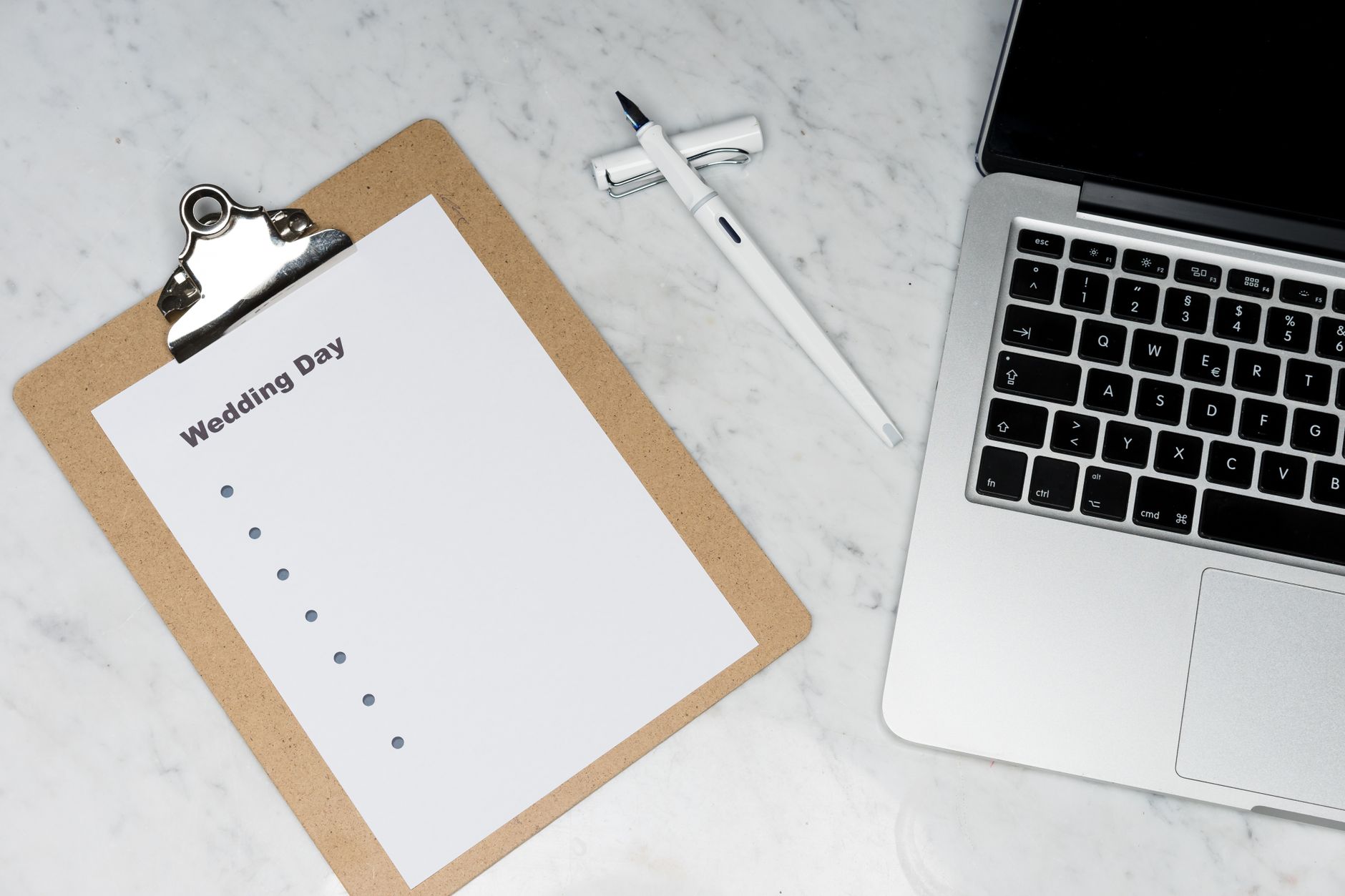
How to Brief a Web Designer: What to Prepare
A simple checklist of what to have ready when you first speak to a web designer:
- Your existing logo and brand assets (if any)
- 3 to 5 example websites you like with notes on what specifically appeals
- A list of the pages you need
- Any specific functionality requirements
- A clear description of your target client
- Your budget range (even approximate)
- Your timeline or key deadlines
- Any existing content you want to reuse (text, photos, videos)
Coming to the first call with this prepared does not just make the project go more smoothly. It signals to a professional designer that you are an organised client who will be easy to work with — which often results in better attention and better outcomes.
At Aesthetic Web Studio, we walk every new client through a structured discovery process that covers all of the above. If you are ready to start thinking about a new website, get in touch or read our guide on how to choose a web designer for your small business first.
Ready to sell online? Our WooCommerce development service covers everything from product setup to payment gateways.
Track your word count, reading time and keyword density instantly with our free word count checker — no signup required.
Related reading: How Much Does a WordPress Website Cost in 2026? | How to Get Clients as a Web Designer in 2026 (Practical Guide) | 10 Small Business Website Mistakes That Cost You Clients (2026)
Frequently Asked Questions
What is a web design brief?
A web design brief is a document or structured conversation that gives a web designer the information they need to understand your business, your audience, your goals, and the scope of the project. A good brief covers your target audience, example websites you like, your brand assets, required pages and functionality, your budget, and your timeline.
How long should a web design brief be?
A written brief of one to two pages is typically sufficient for a small business website project. It does not need to be a formal document. A structured email covering the key points — your business, your audience, your goals, scope, budget, and timeline — is enough to give a professional designer what they need to prepare a meaningful proposal.
Should I know exactly what I want before briefing a web designer?
No — but you should know what problem you need the website to solve and what success looks like. The best web designers bring strategic and creative thinking to a project. You do not need to have designed the website in your head before the brief. You need to understand your business goals clearly enough to communicate them.
If this was useful, tell Google you want more of it.