
Every small business owner wants the same thing: more customers. And in 2026, the clearest path to more customers runs through the internet. But knowing that is not the same as knowing how to make it happen. How to get more customers online is one of the most searched questions among small business owners, and the honest answer is that it comes down to a handful of interconnected strategies that build on each other over time.
How to Get More Customers Online: The Short Answer
The strategies below work best combined rather than chosen individually, and each one compounds the effectiveness of the others over time. Start with the one or two that fit your budget and time today, then add the rest as your online presence grows.
This guide covers the most effective approaches available to small businesses in 2026, what each one requires, and how to decide where to start.
1. Show Up on Google When People Are Looking for You
The highest-intent traffic you will ever get is someone who searches for exactly what you offer and finds your business at the top of the results. They are not browsing. They are not being interrupted. They are actively looking for a solution, and you are in front of them at the perfect moment.
Getting there requires two things working together: a well-optimised website with pages that target the specific terms your potential customers search for, and a Google Business Profile that puts you in the local map results for searches in your area. Neither is instant, but both compound over time in a way that paid advertising does not. Every month your site ranks, you are getting traffic without paying for it.
The starting point is keyword research — understanding what your potential customers actually type into Google when they are looking for what you offer. Tools like Google Search Console show you what searches already bring people to your site. Building content and service pages around those terms is how you grow that traffic sustainably.
2. Build a Website That Converts Visitors Into Customers
Getting traffic to your website means nothing if the website does not convert visitors into enquiries or sales. Most small business websites lose the majority of their visitors before those visitors ever reach the contact page. The reasons are almost always the same: a homepage that does not immediately communicate who the business serves and what it delivers, no clear primary call to action, and no trust signals that give a new visitor confidence in the business.
A website that converts has a specific, benefit-focused headline above the fold, one primary call to action that is impossible to miss, real testimonials from named clients, clear service descriptions framed around outcomes rather than features, and a contact process that is frictionless. None of these require a complex or expensive website — they require deliberate, strategic design choices that most small business websites simply do not make. If you sell products directly, this matters even more — see our guide to ecommerce website design for small business for what a converting online store needs.
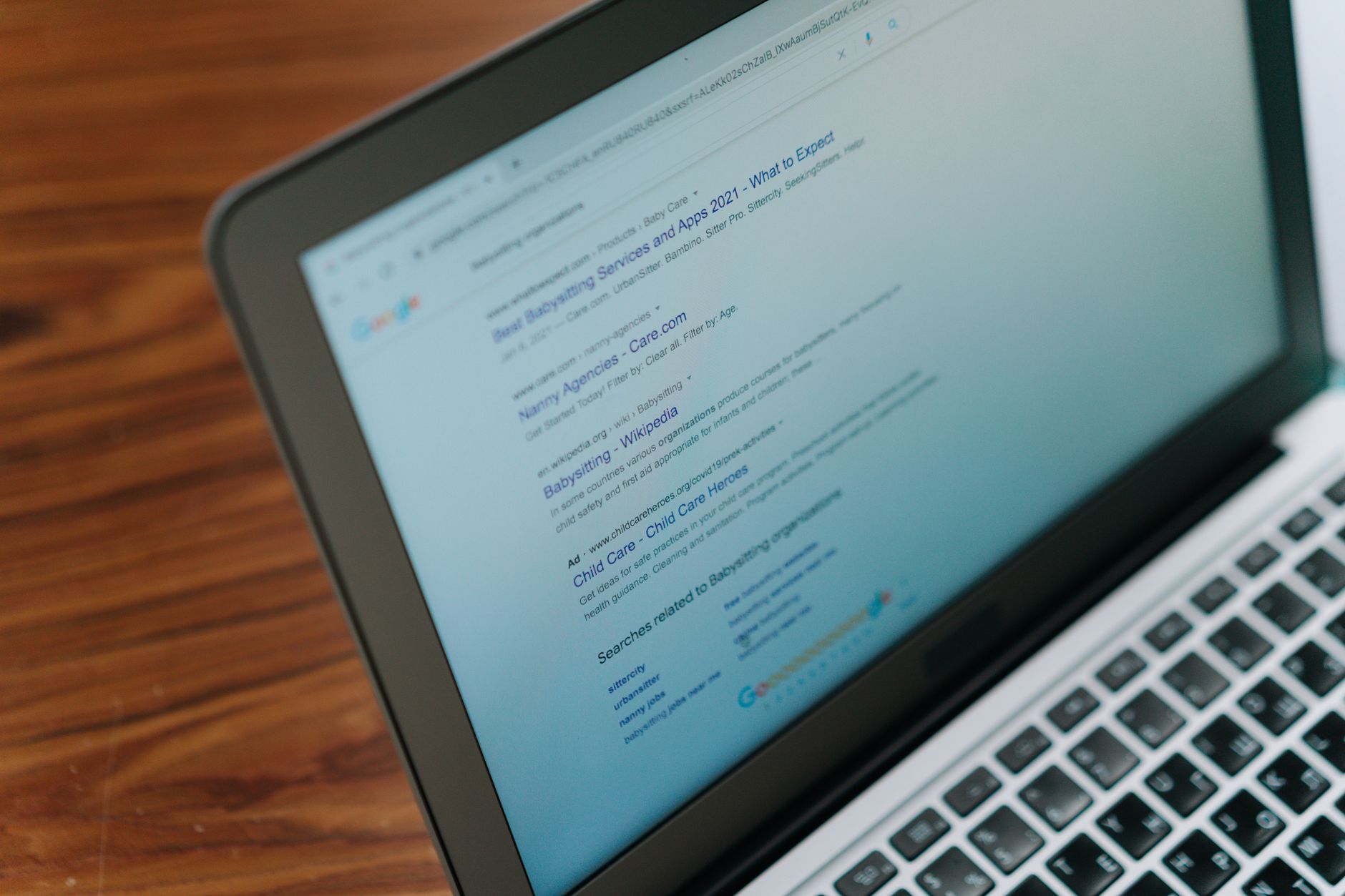
3. Use Google Business Profile to Win Local Customers
If your business serves a local area, your Google Business Profile is one of your most powerful tools for getting more customers online. It puts your business in front of people searching locally at the exact moment they are ready to choose a provider. Businesses that appear in the Google Local Pack — the three listings with a map at the top of local search results — receive a disproportionate share of local clicks.
Getting into the Local Pack requires a fully completed and verified Google Business Profile, a consistent stream of genuine Google reviews, accurate NAP (name, address, phone) information across all directories, and regular posts and updates that signal an active business. This is not complicated, but it requires consistency over time.
4. Create Content That Answers Your Customers Questions
Content marketing is the long game that most small businesses underestimate. By writing genuinely useful content that answers the questions your potential customers are already searching for, you attract people earlier in their buying journey — before they have decided who to hire — and position your business as the authority they should trust when they are ready to make a decision.
A blog post that ranks on page one for a relevant question delivers ongoing traffic at zero cost per click, indefinitely. A dozen of those posts working together build domain authority that lifts all your other pages. The businesses that dominate their local or niche market online almost always have a content strategy running underneath their more visible marketing activity.
5. Ask Every Happy Customer for a Review
Online reviews are social proof at scale. A Google Business Profile with 50 genuine five-star reviews is significantly more persuasive than any amount of self-promotional copy on your website. And yet most small businesses are passive about review collection — they hope satisfied clients will leave reviews spontaneously rather than making a proactive, systematic effort to gather them.
Create a direct link to your Google review page and send it to every client within 24 hours of completing work. Add it to your email signature. Print it as a QR code on your invoices. Make it as easy as possible for a happy customer to leave a review in under two minutes. The businesses that grow fastest online in their market are rarely the best — they are the ones that have been most consistent about collecting social proof.
6. Run Targeted Ads to Reach Customers Ready to Buy
Organic traffic from SEO takes time to build. If you need customers now, paid advertising — Google Ads for search intent and Meta Ads for audience targeting — can generate immediate visibility and enquiries. The key is understanding that paid ads work best when they send people to a dedicated landing page designed for a single conversion action, not your general homepage.
Google Ads targets people who are actively searching for what you offer. Meta Ads target people based on demographics, interests, and behaviour — useful for building awareness with audiences who do not yet know your business exists. Both work. Which is better for your business depends on your margins, your audience, and whether your product or service is something people search for or something they need to be shown.
7. Build an Email List From Day One
Your website traffic, your social media following, and your ad audiences all belong to someone else’s platform. Your email list belongs to you. Every subscriber is a direct connection to a potential or past customer that no algorithm change or platform policy can take away.
Even a modest email list of 500 engaged subscribers is a significant business asset. A monthly newsletter that delivers genuine value — useful tips, case studies, industry insight — keeps your business top of mind with people who already like what you do. When those people are ready to buy again, or when they know someone who needs what you offer, you are the first business they think of.
Getting more customers online is not about finding a single magic tactic. It is about building multiple channels that work together, each one compounding the effectiveness of the others. Start with a website that converts, get on Google Maps, build content that ranks, and collect reviews consistently. Those four things alone will outperform most small business online marketing strategies. Get in touch with Aesthetic Web Studio to discuss how we can help build the online presence your business deserves, or read our guide on local SEO for small businesses to start driving local traffic today.
Need professional help with your SEO? Our SEO optimisation service covers keyword research, on-page SEO, technical fixes and content strategy for small businesses.
Want a website designed to convert? Our UI/UX design service focuses on layouts and user journeys that turn visitors into enquiries.
Looking for a professional WordPress developer? Our WordPress web development service covers everything from simple business sites to complex custom builds.
Not sure where to focus your online efforts? Our digital strategy service gives you a clear roadmap to turn your website into a lead-generating asset.
Track your word count, reading time and keyword density instantly with our free word count checker — no signup required.
Related reading: Website vs Social Media for Business: The Honest Answer (2026) | How to Write a Business Plan That Actually Gets Used (2026) | Social Media Marketing: A Practical Guide for Small Business (2026)
Frequently Asked Questions
How long does it take to get more customers online?
It depends on the channel. Google Ads and Meta Ads can generate enquiries within days. SEO and content marketing typically take 3 to 6 months to show meaningful results, but the returns compound over time in a way that paid advertising does not. Most small businesses benefit from running both simultaneously — ads for immediate results and SEO for long-term sustainable growth.
What is the most cost-effective way to get more customers online for a small business?
A fully optimised Google Business Profile combined with consistent review collection costs nothing except time and delivers highly qualified local traffic. For paid investment, a well-built website that converts organic traffic is typically the highest-return digital asset a small business can own.
Do I need to be on social media to get customers online?
Social media helps but is not essential for every business. For businesses whose clients make purchase decisions based on research rather than inspiration — professional services, trades businesses, B2B services — Google search and a strong website often deliver better ROI than social media. For businesses with a strong visual element or younger audience, social media can be a primary acquisition channel.
If this was useful, tell Google you want more of it.