
Marketing automation gets pitched as a growth hack, but underneath the buzzword it is a plumbing problem: making sure every lead, on every channel, gets a timely, relevant response without a human having to trigger it manually every time. Get the plumbing right and a small team can follow up like a much larger one. Get it wrong and you end up with more tools, not more customers.
Here is how the three main channels, email, SMS, and CRM-driven workflows, actually fit together in a working system, and where each one is the right tool for the job.
Email: Best for Depth, Worst for Urgency
Email remains the strongest channel for nurturing a lead over time. It supports longer content, images, and links, and it is where people expect to receive detailed information, case studies, and offers. The problem with email is timing: open rates for marketing email typically sit in the 15–25% range, and most people do not check their inbox within minutes of taking an action on your site.
Use email for the middle and later stages of a sequence: the second, third, and fourth touches after someone has already been captured, where the goal is building trust and handling objections rather than triggering an instant reply.
SMS: Best for Urgency, Worst for Depth
Text messages get read. Open rates for SMS commonly exceed 90%, and most are read within minutes, which makes SMS the right channel for anything time-sensitive: appointment reminders, limited-time offers, and the very first response after someone submits a form. The trade-off is format: SMS needs to be short, direct, and used sparingly, since overuse leads to opt-outs and, in some jurisdictions, real compliance risk under regulations like the TCPA in the United States.
The highest-value use of SMS in most funnels is the first five minutes after a lead comes in, and appointment reminders 24 hours and again one hour before a booked call, which measurably reduces no-shows.
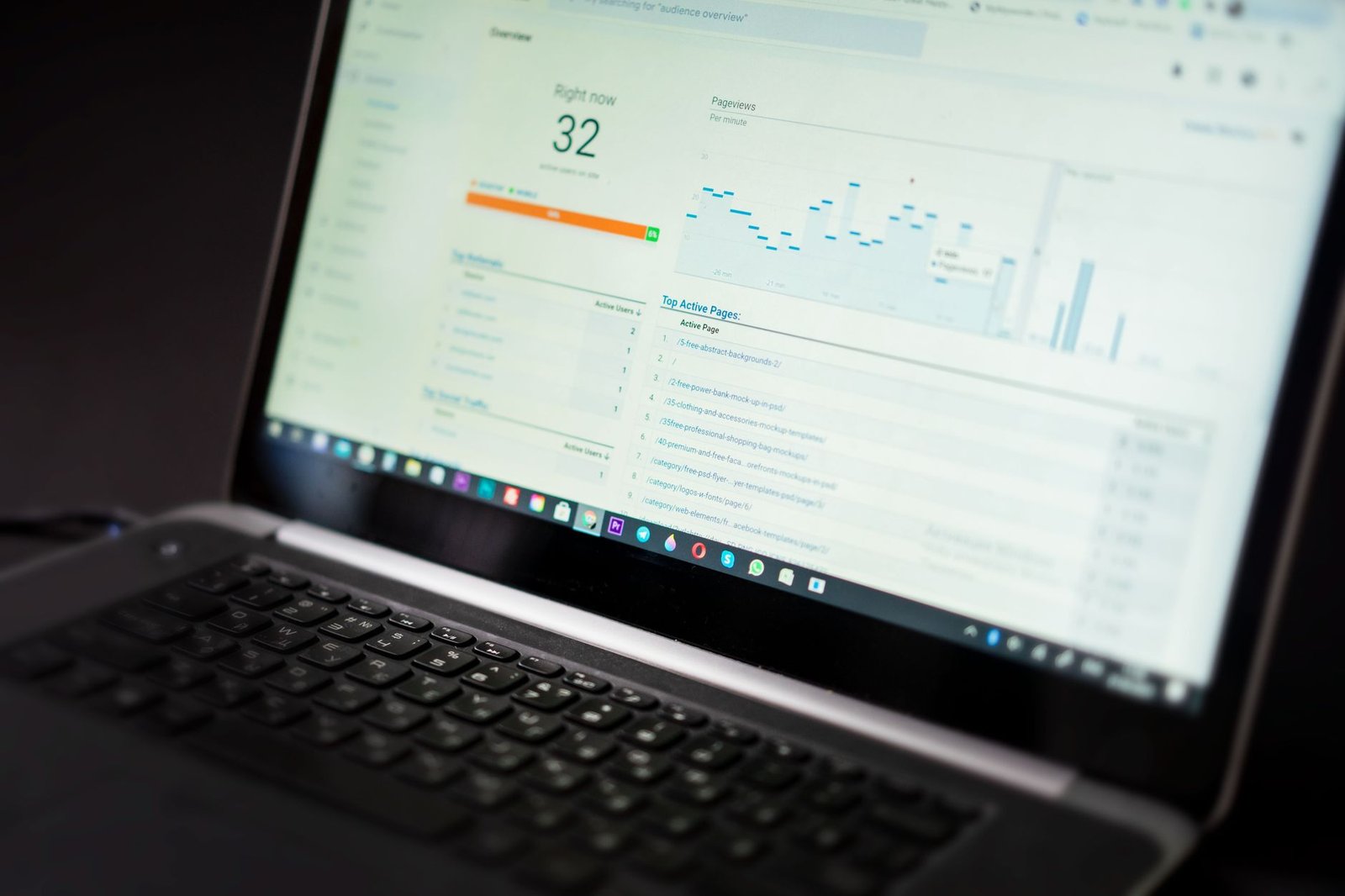
CRM Workflows: The System That Ties It Together
A CRM (customer relationship management) platform, such as the one built into GoHighLevel, is where email and SMS stop being separate tools and become one coordinated sequence. A workflow in a CRM is a set of rules: when this trigger happens (a form submission, a tag, a missed call), do this action (send this email, wait this long, send this text, notify a team member, move this lead to this pipeline stage).
This is the layer that actually removes manual work. Without it, someone on your team has to remember to follow up, remember what was already said, and manually decide the next step for every single lead. With it, the sequence runs the same way, every time, regardless of who is on shift or how busy the week is.
A Realistic Example Workflow
- Trigger: Contact form submitted on a landing page
- Immediately: SMS sent confirming receipt and setting expectations for a callback
- Immediately: Lead tagged and routed to the sales pipeline, team member notified
- +1 hour, if no reply: Follow-up email with more detail and a booking link
- +1 day, if no booking: Second email addressing a common objection
- +3 days, if still no booking: Final SMS with a direct, low-friction offer to book a call
Every step in that sequence runs automatically and stops the moment the lead takes the desired action, so no one receives irrelevant messages after they have already converted.
Where Businesses Go Wrong
The most common failure is automating the wrong thing: running heavy automation on top of a broken capture process, or building an elaborate 10-step sequence before the first, most important step, an instant response, even exists. Fix the immediate response first. Everything after that is optimisation.
The second common failure is treating every lead identically regardless of source. A lead from a paid ad, a lead from an organic blog post, and a lead referred by an existing client are at different levels of trust and should not receive the same first message.

Getting Started
If you are setting this up for the first time, start with a single workflow covering your highest-value lead source, get the instant-response and pipeline-tagging steps working reliably, then expand into longer nurture sequences once the foundation is solid. Our funnels and marketing automation service builds this exact structure in GoHighLevel, connected to whatever landing page platform fits your business.
Related reading: Email Marketing for Small Business: The Complete 2026 Guide | Social Media Marketing: A Practical Guide for Small Business (2026)
Frequently Asked Questions
Should I use email or SMS for the first follow-up?
SMS, whenever possible. It gets read almost immediately, which matters most in the first few minutes after someone shows interest. Save email for the more detailed follow-ups that come after.
How many messages is too many in an automated sequence?
There is no fixed number, but every message should have a clear purpose. If you cannot explain what a specific message is trying to move the lead toward, remove it. Sequences that send messages just to stay top of mind tend to increase opt-outs rather than conversions.
Do I need a CRM to do marketing automation properly?
Effectively, yes. Email and SMS tools alone can send messages, but only a CRM with workflow logic can trigger the right message at the right time based on what a specific lead has already done, which is what makes automation feel personal rather than generic.
If this was useful, tell Google you want more of it.