
You have a website. Maybe you have had it for a while. But when you check Google Analytics, the traffic numbers tell a story that does not match the effort you have invested in the site. A few visitors per day, sometimes none. The question of how to increase website traffic feels both urgent and frustratingly vague because there are so many possible answers and most of the advice online contradicts itself.
This guide gives you a clear, prioritised roadmap. Not every traffic strategy that theoretically works — just the ones that consistently work for real businesses with real websites, in order of how quickly they deliver results relative to the effort they require.
How to Increase Website Traffic: The Honest Diagnosis of Why You Are Not Getting It
Before discussing how to increase website traffic, it is worth being honest about why most sites have low traffic. The reasons are almost always one of five things, and understanding which applies to you changes which solution is most relevant.
The site is too new. Google imposes a trust delay on new domains — commonly called the sandbox period — that lasts approximately four to six months. During this period, even well-optimised content on legitimate sites ranks poorly. If your site is under six months old, low traffic is expected and the correct response is consistency, not panic.
The content does not target keywords people search for. A website full of content about topics nobody searches for will receive no organic traffic regardless of how well-written it is. Every page and post should target a specific keyword that your potential visitors actually type into search engines.
The content targets keywords that are too competitive. A new site with low domain authority cannot rank for head keywords like “web design” or “small business marketing” that established sites with years of backlinks are competing for. Targeting long-tail keywords with lower competition is more productive.
The site has no backlinks. Domain authority — Google’s assessment of how trustworthy your domain is — is built primarily through backlinks from other reputable websites. A site with no backlinks ranks below competitors with even a handful of quality links regardless of content quality.
The technical foundations are broken. Pages that are set to noindex, load too slowly to retain visitors, are not mobile-friendly, or have crawl errors preventing Google from accessing them cannot rank regardless of their content quality. A technical audit catches these issues before they become entrenched problems.
Strategy 1: Fix Technical SEO First
Technical SEO problems are silent traffic killers. Unlike content gaps or backlink deficits, technical issues actively prevent pages from ranking even when everything else is right. Check these before spending time on content or link building.
Open Google Search Console and check the Coverage report for any pages with errors or excluded from indexing. Check the Core Web Vitals report for performance issues. Check the Sitemaps section to confirm your sitemap is submitted and has no errors. These three checks take 15 minutes and surface the most common technical blockers.
Run your site through Google PageSpeed Insights and address any issues flagged as critical. Slow loading times hurt both rankings and the percentage of visitors who stay long enough to see your content. Image compression, caching, and fast hosting address the majority of speed issues for most WordPress sites.
Strategy 2: Target Low-Competition Keywords
Every page on your site should target one specific keyword. Not a page about your business in general — a page that answers a specific question someone types into Google. The most effective keywords for low-authority sites are specific, long-tail phrases with monthly search volumes between 100 and 2,000 and difficulty scores below 30.
Finding these keywords does not require expensive tools. Google Autocomplete shows what real searches look like when you type any topic. The People Also Ask section reveals the specific questions people ask around your topic. Google Search Console’s Performance report shows what queries your site already appears for, which often reveals keyword opportunities you have not explicitly targeted.
A single well-optimised post ranking on page one for a 500-search-per-month keyword generates more traffic than ten posts languishing on page three for 5,000-search-per-month keywords. Targeting achievable keywords and ranking for them is more productive than targeting competitive keywords and not ranking at all.
Strategy 3: Publish Consistently and Comprehensively
Google rewards freshness and depth. A site that publishes one genuinely comprehensive, well-optimised post per week will consistently outperform a site that publishes thin content daily or publishes intensively for a month and then goes quiet for three months.
Comprehensive content means genuinely covering a topic rather than skimming its surface. A post targeting “how to choose a web designer” that answers the question fully — covering what to look for, what questions to ask, red flags to avoid, what it should cost, and how to evaluate proposals — satisfies the search intent better than a 400-word overview making the same points every other post on the topic makes. More complete coverage reduces the chance that a visitor leaves to find the information elsewhere, which is one of the behavioural signals Google uses to evaluate content quality.
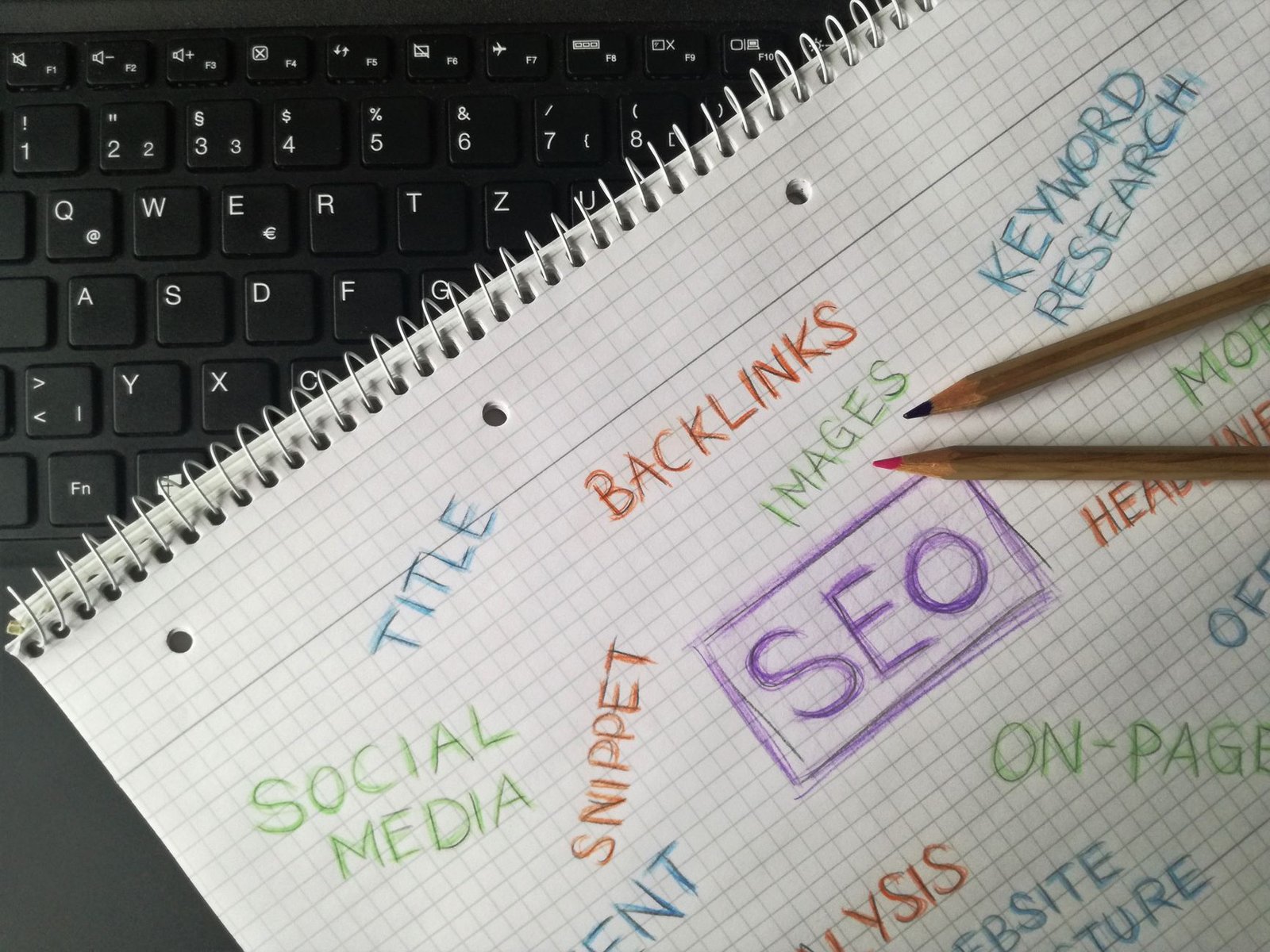
Strategy 4: Build Backlinks Strategically
Backlinks from reputable websites are the most significant ranking factor after content quality. A page with strong backlinks from authoritative sources will outrank a technically superior page with no backlinks in almost every competitive scenario. This makes link building one of the highest-leverage activities available for increasing organic traffic.
The most accessible backlink strategies for small businesses are: listing your business in reputable industry directories (Clutch for agencies, Houzz for home improvement businesses, Healthgrades for medical practices), guest posting on established blogs in adjacent niches, creating genuinely useful resources that other sites want to reference, and building relationships with complementary businesses that result in natural cross-referrals and mentions.
Avoid low-quality link schemes, link farms, and purchased links. Google’s algorithms are sophisticated at identifying manipulative link patterns, and a penalty from a link scheme can suppress traffic for months. One backlink from a domain with authority 50 is worth more than 100 backlinks from low-quality directories.
Strategy 5: Leverage Social Media for Direct Traffic
While social media does not improve organic search rankings directly, it drives direct referral traffic and creates the secondary effects — brand searches, social shares, and syndication — that indirectly support SEO performance over time.
Every time you publish a new post, share it on your active social platforms with a specific hook that tells people what they will learn rather than just announcing that you published something. LinkedIn works well for professional service businesses. Instagram works for visual content. Facebook groups relevant to your niche are often underutilised for content distribution — a post shared in a relevant group with 10,000 members generates far more immediate traffic than the same post shared on a business page with 200 followers.
Strategy 6: Email Marketing as a Traffic Engine
An email list is the most reliable traffic driver available to a content business because email open rates — typically 20 to 40 percent for engaged lists — dramatically exceed the organic reach of social media posts. When you send a new post to 500 engaged subscribers, roughly 100 to 200 of them will see it. When you share it to 500 Facebook followers, under 25 will.
Building an email list requires a subscribe mechanism on your website (footer form, popup, or post-content CTA) and a genuine reason for visitors to subscribe. A lead magnet — a useful resource offered in exchange for an email address — accelerates list building. A checklist, template, guide, or tool relevant to your content topic is sufficient. Once the list exists, sending each new post as a newsletter drives reliable, predictable traffic from people who have already demonstrated interest in your content.
Strategy 7: Repurpose Content Across Formats
A well-researched 2,000-word post contains enough material for a YouTube video script, five to seven LinkedIn posts, three Instagram carousel slides, a podcast episode, and several tweets or short-form video scripts. Most content creators produce content in one format and leave the rest on the table.
Repurposing does not mean copying content from one format to another — it means taking the core ideas and adapting them to the conventions and audience expectations of each platform. A blog post becomes a “three things I learned” LinkedIn post, a talking-head explanation video, and a visual infographic. Each version reaches an audience that might not encounter the original, and some of those people will follow back to the website. Get in touch with Aesthetic Web Studio to discuss building a website that supports your traffic growth strategy from day one, or read our guide on content marketing for small business for the full picture of building sustainable organic traffic.
The Compound Effect of Consistent Execution
The most important insight about increasing website traffic is that no single strategy produces dramatic results immediately. Every strategy listed above compounds over time. A site that consistently publishes quality content targeting achievable keywords, earns backlinks gradually, and promotes its content through email and social media will look very different at 12 months than at three months. The curve bends upward in a way that makes the early phase feel disproportionately slow and the later phase disproportionately rewarding.
The businesses that succeed at building significant organic traffic are the ones that execute consistently through the early phase rather than abandoning the effort before the compounding kicks in. The timeline is measured in months, not weeks. But the traffic built through this approach — unlike paid traffic — does not stop when you stop paying for it.
Need professional help with your SEO? Our SEO optimisation service covers keyword research, on-page SEO, technical fixes and content strategy for small businesses.
Want a website designed to convert? Our UI/UX design service focuses on layouts and user journeys that turn visitors into enquiries.
Not sure where to focus your online efforts? Our digital strategy service gives you a clear roadmap to turn your website into a lead-generating asset.
Track your word count, reading time and keyword density instantly with our free word count checker — no signup required.
Related reading: How to Write a Meta Description That Gets Clicks (2026) | How to Get More Google Reviews: The Complete 2026 Guide | Google Preferred Content: How to Get Free Traffic From the Follow Button in 2026
Frequently Asked Questions
How long does it take to increase website traffic through SEO?
New content on established sites can rank within weeks. New content on new or low-authority sites typically takes three to six months to reach stable rankings. The compounding effect of consistent publishing means that a site’s monthly traffic at 18 months is typically three to five times what it was at six months, assuming consistent content publishing and reasonable keyword targeting throughout. Building meaningful organic traffic is a 12 to 24 month endeavour for most new sites, with results that continue improving beyond that.
Is paid advertising worth it for increasing website traffic?
Paid advertising drives immediate, measurable traffic and is genuinely worth considering for businesses that need results faster than organic methods allow. The limitations are that paid traffic stops immediately when the budget stops, and the cost per visitor is ongoing rather than declining over time as organic traffic costs do. The most effective approach for most businesses is to build organic traffic as a long-term foundation while using paid advertising selectively for specific campaigns or to accelerate growth during key business periods.
What is the fastest way to get traffic to a new website?
Paid advertising is the fastest way to drive traffic to a new website immediately. For organic methods, social media sharing (particularly in relevant groups and communities), outreach to people mentioned or relevant to your content asking them to share it, and direct outreach to your existing network announcing the site all generate traffic faster than waiting for Google to rank new content. Building an email list from day one and using it to promote every new post is the most reliable organic traffic strategy for a new site in the first six months before significant organic rankings develop.
If this was useful, tell Google you want more of it.